
Clean Eating Made Simple: A Beginner’s Guide to Healthy Meal Planning
Eating clean doesn’t have to be confusing or break the bank. When it comes to choosing what foods to eat, the best strategy is to keep it simple. Whether you are looking to boost your energy or improve your family’s nutrition, a little bit of planning goes a long way.
As a health coach, I always tell my clients: Progress over perfection. Here is my simple, 3-step framework for building a clean eating grocery list that works for your body and your budget.
1. Start with a "Produce First" Mindset
One of the best ways to keep your diet simple is to make a list of vegetables and fruits before anything else. This ensures you have nutrient-dense, healthy options available on hand for snacks and side dishes.
Coach Tip: If fresh organic produce is too expensive, head to the frozen aisle. Frozen fruits and veggies are often flash-frozen at peak ripeness, meaning they keep their nutrients and last much longer!
Focus on Fiber: Aim for "fibermaxxing" by picking up colorful options like berries, broccoli, and leafy greens to support your gut health.
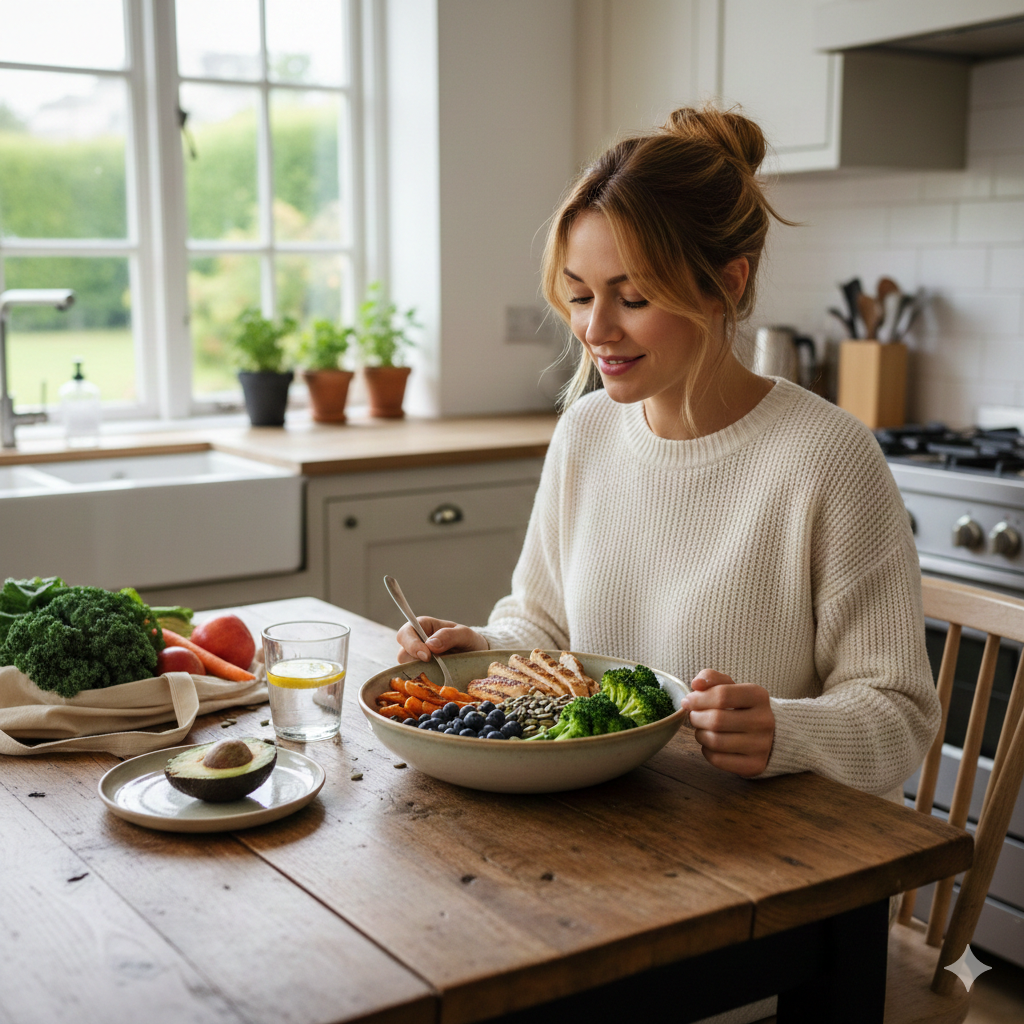
Clean Eating Made Simple: A Beginner’s Guide to Healthy Meal Planning
2. Select High-Quality Protein Sources
Next, decide on your protein for the week. Protein is essential for muscle repair and keeping you full longer.
Choose Wisely: If possible, try to source your protein from a vegan or organic farm.
Do Your Research: Before you shop, look into local farms or brands to see their standards. Supporting farms that prioritize animal welfare and soil health is better for you and the planet.
Budget-Friendly Protein: If organic meat isn't in the budget this week, look for plant-based proteins like organic lentils, chickpeas, or black beans. They are incredibly affordable and packed with clean energy.
3. Clean Eating on a Budget
I understand that financially, it can feel expensive to buy organic and vegan options. Many people feel they have to choose between their wallet and their health, but you don't have to!
The "Clean Fifteen" & "Dirty Dozen": If you can't buy everything organic, use these lists to prioritize. Buy organic for items where you eat the skin (like berries), but save money by buying conventional for items with thick skins (like avocados or bananas).
Buy in Bulk: Staples like brown rice, quinoa, and dried beans are much cheaper when bought in the bulk section.
The Health Coach Bottom Line: Just try to find the best options for you. Clean eating is a journey, not a destination. By focusing on whole, unprocessed foods and doing a little research, you are already ahead of the game.